Breeding Season!
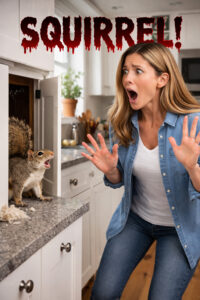
As winter fades and temperatures begin to rise, many homeowners start to notice increased wildlife activity around their property. While spring is a welcome change for most of us, it also marks the beginning of peak season for nuisance animals—especially squirrels and raccoons.
Understanding why these animals become more active in the spring can help you protect your home before a small issue turns into a costly problem.
Spring Is Baby Season
One of the biggest reasons squirrels and raccoons become a problem in the spring is simple: it’s breeding season.
Female squirrels and raccoons are actively searching for safe, warm, and sheltered spaces to give birth and raise their young. Your home—particularly your attic or crawl space—offers the perfect environment:
-
Warm
-
Dry
-
Protected from predators
Once they find a suitable spot, they move in quickly—and they don’t plan on leaving anytime soon.
Your Home Is an Easy Target
During the winter, animals are often more focused on survival. But in the spring, their behavior shifts to nesting and expansion.
Squirrels and raccoons will:
-
Tear open soffits or roof edges
-
Rip through vents or attic fans
-
Chew through wood and fascia boards
-
Exploit small gaps or existing damage
What may start as a tiny entry point can quickly become a major opening, especially with raccoons, which are strong enough to rip apart weak areas of your home.
The Damage Can Add Up Fast
Once inside, these animals can cause serious damage in a short amount of time.
Common issues include:
-
Chewed electrical wiring (a major fire hazard)
-
Destroyed insulation
-
Contaminated attic spaces with droppings and urine
-
Structural damage to roofing and vents
And when babies are involved, the activity—and the mess—only increases.
Noise and Disruption
Many homeowners first notice a problem by hearing unusual sounds:
-
Scratching or scurrying in the attic
-
Thumping or heavy movement (often raccoons)
-
Activity early in the morning or late at night
These noises are often a sign that animals have already moved in and may be raising a litter.
Health and Safety Concerns
Beyond property damage, squirrels and raccoons can introduce health risks into your home:
-
Parasites like fleas, ticks, and mites
-
Bacteria and pathogens from droppings
-
Potential exposure to diseases such as rabies (especially with raccoons)
This makes prompt action especially important.
Why Early Prevention Matters
Spring infestations can quickly grow if not addressed early. Once babies are present, removal becomes more complex and must be handled carefully and humanely.
That’s why proactive inspection and exclusion are key:
-
Identify and seal entry points
-
Reinforce vulnerable areas
-
Address issues before animals move in
Protect Your Home This Spring
If you’ve noticed increased wildlife activity—or want to prevent a problem before it starts—now is the time to act.
A professional inspection can identify hidden vulnerabilities and help keep squirrels and raccoons where they belong: outside your home.